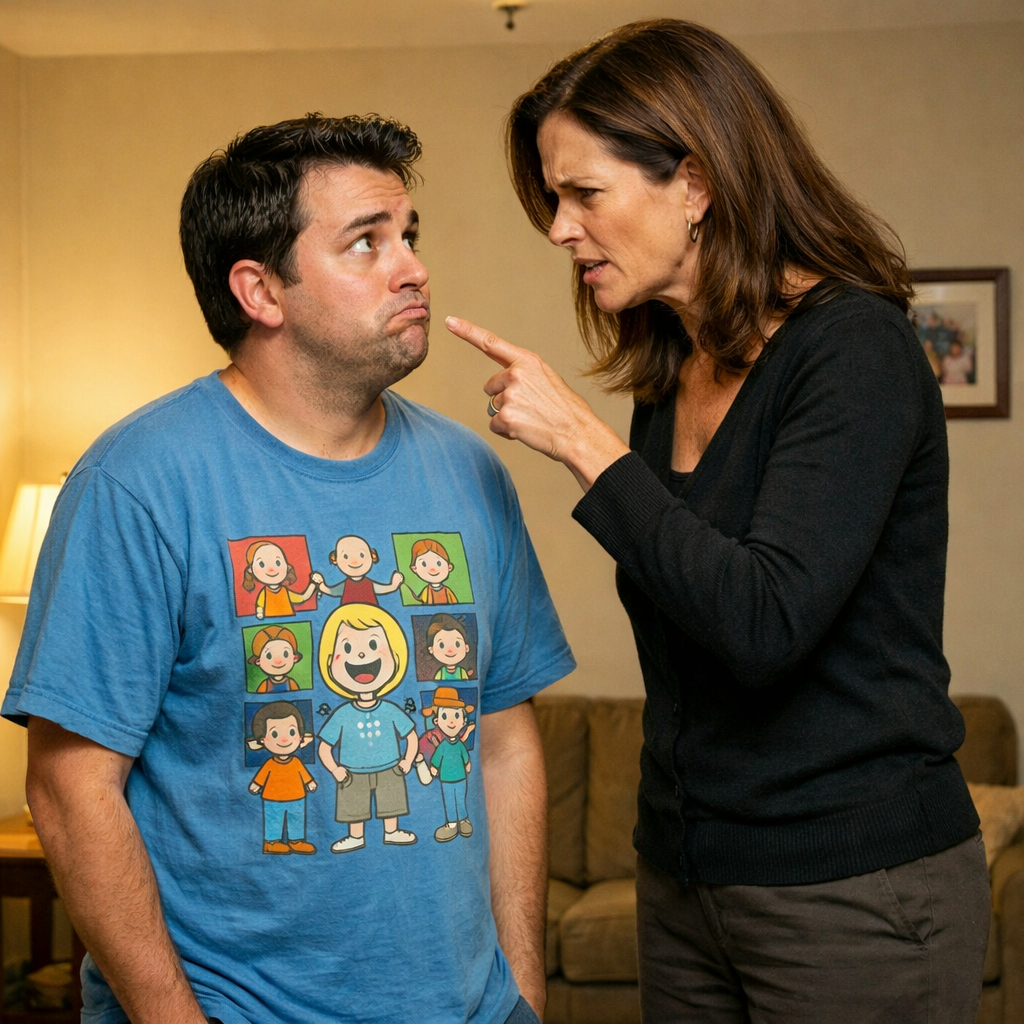
Asking the person you betrayed to participate in your recovery as an accountability partner is a bad idea.
Someone new to betrayal trauma healing recently expressed her frustration with managing her own healing while listening to her addict share vivid details of his recovery. Her spouse explained she was the person he needed to discuss details with because he wasn’t as sick as some of the other guys in his support group, who definitely needed an accountability partner.
The problem with this is that the betrayed partner is in no condition to manage the details of their sex addict’s recovery and their own healing.
Asking the betrayed partner to participate as an accountability partner can cause additional harm:
Some sex addicts use the desire to be honest and keep their partner abreast of their progress as a justification for wanting the partner to function as an accountability partner. Obviously, honesty is pivotal for a relationship, especially one that has been impacted by sex addiction. The addict may have good intentions, but sharing details about temptations, urges, thoughts, etc., can be hurtful and retraumatizing to the betrayed partner. Unfortunately, this can put a strain on the relationship that may already need repair.
Your partner doesn’t need to know the following:
- You masturbated less this month.
- The type of porn you looked at this week was “milder” than the porn you previously viewed.
- You drove by a place you used to “act out” and didn’t feel the urge to stop for services.
- You saw a lingerie commercial and didn’t think about “acting out”.
- You turned your head during the sex scene in the movie you watched with your partner.
- You only fantasized about your partner’s friend twice this week.
- You stopped yourself from staring at the scantily dressed woman at the restaurant.
- You didn’t “act out” on your business trip.
- You fought the urge to call your most recent affair partner.
- You started to binge on porn, but stopped yourself.
- Someone at the bar was checking you out, but you chose to leave rather than start a conversation.
- You received a pop-up while working on your laptop from a site you used to frequent when you were involved in several emotional affairs. You decided to block the “pop-up”.
Most partners want to know their sex addict is progressing in their recovery and maintaining sobriety; if that is not the case, partners want to know what their sex addict plans to do to change things. This information can be shared through check-ins, not “impulsive dumps,” on the betrayed partner.
Every “acting out” temptation doesn’t need to be shared with the betrayed partner. I didn’t want to know how often my husband bounced his eyes to avoid staring at someone. Nor did I want to be informed of my husband’s “acting out” urges. I knew if my husband slipped or relapsed, he would tell me because that was one of my boundary requests. I just wanted him to do the work to remain sober.
Your partner has their own healing work to do from the pain you caused. It’s not fair to expect the person you hurt to function as your accountability partner. You also don’t want to put your partner in a position to behave as a codependent by sacrificing what they need to do for themselves to aid you. Respect your partner enough to give them the freedom to focus on their own healing without the pressure to aid you as well. When you put your partner in the accountability role, you set him/her up to be a “nag,” which isn’t fun for either of you.
Do you really want your betrayed partner to ask you the following questions?
- Did you masturbate this week?
- Did you work on your steps?
- When was the last time you looked at porn?
- Have you had any intrusive sexual fantasies?
Betrayed partners know certain things are triggers for their sex addicts, but they don’t necessarily need to know what they are (unless they ask, which I wouldn’t recommend). I never asked my husband what his “type” was. I knew he deliberately acted out with people ethnically different from us. I also knew my husband acted out at strip clubs, which was difficult to digest. If I saw someone who looked like my husband’s “type,” I was often triggered. I didn’t want to know any more specifics that could harm my healing process.
The following isn’t helpful information for your partner:
- You have a thing for “red heads”.
- You are tempted to masturbate at the gym.
- Certain songs you hear on the radio remind you of the acting out you did at the strip clubs.
- Every time you drive by a certain “hotel” chain, you think of the times you acted out with others.
- Drinking a certain type of beverage reminds you of a time you acted out while out of town.
It’s also not your partner’s job to give you at-a-boys. A sex addict who tells his betrayed partner, “Hey, I haven’t binged on porn for two months,” and wonders why the response isn’t enthusiastic, doesn’t get it. Although this information reflects progress, this isn’t something the betrayed partner will likely feel compelled to celebrate, especially if you previously spent years binging on porn. Your two months are steps in the right direction that an accountability partner can acknowledge.
Let me explain further. You wouldn’t do cartwheels if your partner said, “Aren’t you glad I haven’t snooped through your private things in two months looking for evidence of acting out behavior”. You wouldn’t feel like giving her/him a pat on the back because you know your partner shouldn’t be snooping through your private things. Yes, you understand this has been a coping skill for your partner due to your addiction, but you’ve been honest in your check-ins. You haven’t acted out in several years. You feel disrespected and look forward to the day your partner is done with this behavior.
Some explanations or excuses that recovering sex addicts provide for not seeking an accountability partner:
Some addicts believe their therapist can serve as an accountability partner. Personally, I’m not a fan of a therapist serving as an accountability partner unless he/she is a recovering sex addict. Although therapists may be skilled in their knowledge of sex addiction, they may not have personally struggled with the addiction. Recovering sex addicts should seek someone who has done the recovery work.
Some addicts compare their behavior to other sex addicts as a justification for not securing an accountability partner. Let me be clear, just as pain is pain, addiction is addiction. Recovering sex addicts need to be accountable to someone, regardless of whether they are talking about porn or acting out with prostitutes.
The excuse of not having anyone to ask is not valid in my opinion. There are several SA meetings across the nation. I used to complain about the numerous meeting choices sex addicts had to choose from in comparison to the choices available for betrayed partners. Additionally, there are other support groups for sex addicts besides Sex Addicts Anonymous through a therapist, an outpatient center, or a faith-based group. If you don’t live in the United States or there truly aren’t many meetings in your area, you can search for support group options on the internet. Support groups can be a great resource for finding an accountability partner, whether the groups meet in person or virtually.
Using the excuse of not being comfortable talking to someone about something so private doesn’t work either. Sharing individually with someone who has been on the recovery journey a while, with substantial sobriety under their belt, adds a whole different element to one’s recovery. The addict’s past efforts to keep secrets in the dark without accountability may have enabled their addiction. However, sharing their truth with an accountability partner keeps the addiction in the light of reality. Hopefully, the “uncomfortableness” will decrease with time, and the addict will experience the benefit of working with a sponsor.
Betrayed partners have to work through “uncomfortableness” as well. Seeking a therapist, sharing at support groups, and securing my own accountability partner weren’t comfortable. I felt humiliated and embarrassed as I explained to my doctor why I needed an STD/HIV test. Feeling comfortable wasn’t an option for me; I had to feel discomfort to experience the benefits of healing.
The recovery addict and the betrayed partner benefit from “someone else” serving as the recovering sex addict’s accountability partner:
The accountability partner can encourage the recovering sex addict on their journey, but call them out when they see a need for them to make an adjustment. The recovering sex addict can use their accountability partner to vent when needed or to share recovery ups and downs. An accountable partner can help a recovering sex addict be accountable to his/her recovery goals and their betrayed partner.
Working with an accountability partner who has strong long-term sobriety shows the recovering sex addict that recovery is possible and helps replace discouragement with hope. That partner’s sobriety offers a model to follow and something to work toward. I see an accountability partner as someone who provides empathetic guidance—something I was not able to provide.
I understood my husband struggled with addiction for over 20 years. There was no question that my husband needed a sponsor. However, my husband had to do his own recovery work, which included finding an SA sponsor. It wasn’t my place to suggest a sponsor for him, constantly inquire about his progress in finding one, or suggest how frequently they should connect.
I was surprised when my husband asked someone to be his sponsor because I couldn’t see him approaching anyone he didn’t know well with a willingness to share personal information. However, the fact that my laid-back and private husband sought a sponsor told me how serious he was about his recovery. My husband sought someone who exemplified the recovery my husband wanted to achieve.
With time, I began to appreciate my husband’s sponsor. My husband would connect with his sponsor after we had heated arguments. Many times, my husband would request we revisit the argument because he had a different insight after talking to his sponsor. There were times I would think, I hope he discusses this with his sponsor, when I felt like my husband wasn’t showing empathy or understanding my point of view.
The reality is you will struggle on your recovery journey, just as your partner will struggle on his/her healing journey. Naiveness, shame, and pride can sometimes influence the sex addict’s decision regarding whether an accountability partner is necessary or not. You need someone you can call when you’re tempted, feeling shameful, feeling hopeless, feeling discouraged, or want to share your progress. You probably tried to quit several times before thinking you could conquer sex addiction on your own and didn’t experience the success you desired.
Most betrayed partners don’t desire to be their addict’s recovery partner. However, if your partner isn’t working on their own healing with support, they may not realize this isn’t their responsibility. If your partner is insisting, you report every detail of your recovery to him/her please share your desire to be honest through regular check-ins. Take accountability for the harm you caused and the importance of he/she seeking their own healing. If your partner is seeing a therapist, attending support groups, or has an accountability partner, perhaps suggest he/she share the request with their resources first for feedback.
Please don’t sidestep working with an accountability partner as you recover from sex addiction. If you are serious about recovery, give yourself the benefit of connecting with someone you can be accountable to who understands your journey. Having an accountability partner can be an important part of your recovery; it just doesn’t need to be your betrayed partner.